
Preparing Your Crawl Space and Attic for Indiana's Winter Rodent Surge
When freezing temperatures arrive in West Lafayette, rodents aggressively seek warmth in crawl spaces and attics. Learn practical steps to secure your home against winter pests.
The Late-Autumn Shift: Why Indiana Homes Face Winter Rodent Invasions
As late autumn brings frosty mornings and falling temperatures to West Lafayette and surrounding Tippecanoe County communities, wildlife patterns shift dramatically. Field mice, deer mice, and Norway rats spend the warm months nesting outdoors near woodpiles, farm edges, and landscaped gardens. However, as soil freezes, food supplies dwindle, and ambient temperatures plunge below freezing, these animals face an urgent survival challenge. Their primary objective becomes finding shelter that offers insulation, darkness, and safety from predators.
Residential attics and crawl spaces represent ideal winter sanctuaries for rodents. These zones are rarely visited by human occupants, stay significantly warmer than outdoor conditions, and are filled with soft materials perfect for nesting. Unfortunately, a rodent infestation inside your home's structural perimeter brings sanitation risks, air quality degradation, and destructive chewing behaviors. Preparing these vulnerable spaces before winter firmly sets in is one of the most effective preventive measures a homeowner can take.
Understanding Why Crawl Spaces and Attics Are Prime Targets
To keep rodents out, it helps to understand why these specific areas are so appealing to them during an Indiana winter.
The Appeal of Crawl Spaces
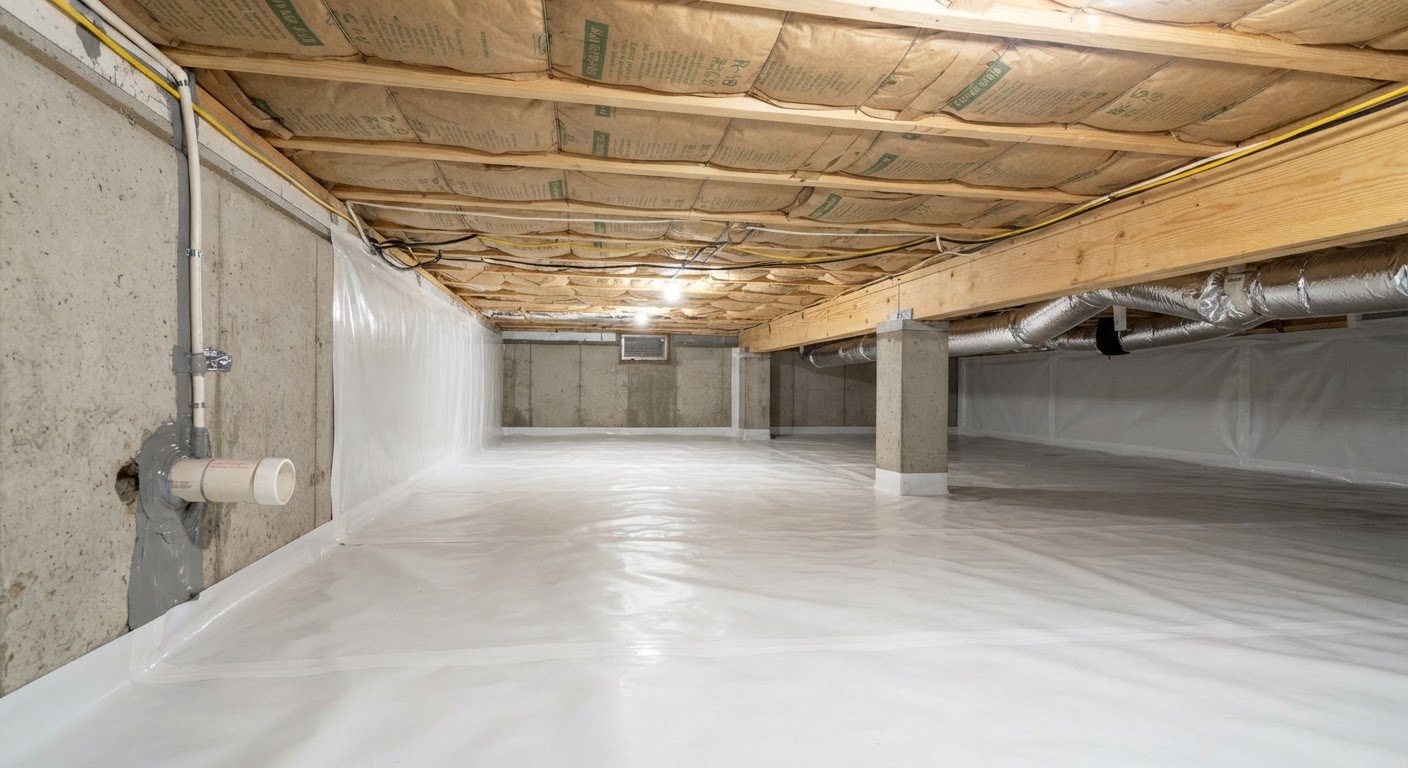
Crawl spaces sit directly against the earth or a concrete pad, where moisture and soil warmth combine beneath the flooring of the home. Foundation vents, open utility penetrations, and loose access hatches provide easy entry points at ground level. Once inside, mice and rats find pipe systems that radiate residual warmth, fiberglass batts hanging from floor joists, and direct passage into wall cavities through gaps around plumbing lines and electrical chases.
The Appeal of Attics
Warm air naturally rises through a house, making the attic one of the coziest unconditioned spaces in the building. Attics offer deep layers of loose-fill cellulose or fiberglass insulation, creating an ideal substrate for burrowing and nesting. Roof intersections, gable vents, soffit openings, and roofline transitions offer numerous physical gaps where rodents—especially agile climbers like house mice and black rats—can slip inside without ever touching a front door.
Warning Signs of Early Rodent Activity
Detecting rodent presence early allows you to act before populations expand into mature nests. During late autumn, monitor your crawl space and attic for these common indicators:
- Unusual Sounds: Scratching, scurrying, or tapping sounds coming from ceilings or floorboards, particularly late at night when mice and rats are most active.
- Droppings: Small, dark pellets scattered along foundation footings, near attic access points, along rafters, or around stored boxes.
- Torn or Tunnelled Insulation: Flattened pathways, holes, or shredded patches within fiberglass rolls or blown-in insulation materials.
- Chew Marks: Gnawed edges on wooden framing, plastic storage bins, cardboard boxes, vent covers, or wire jacketing.
- Musty Odors: Stale, ammonia-like odors produced by rodent urine accumulation in poorly ventilated, confined areas.
Actionable Steps to Secure Your Crawl Space
Fortifying a crawl space requires a thorough inspection of the lower perimeter of your home. Focus on blocking physical access and removing conditions that attract pests.
1. Inspect and Reinforce Crawl Space Vents
Standard insect screening on crawl space vents easily tears or degrades over time. Rodents can chew through thin plastic mesh and light aluminum screens in minutes. Replace damaged vent covers with quarter-inch galvanized hardware cloth, which resists gnawing and prevents both mice and larger wildlife from forcing their way inside.
2. Seal Foundation and Utility Penetrations
Examine where plumbing pipes, HVAC lines, electrical conduits, and gas lines enter the foundation or floor structure. A mouse can squeeze through a hole as small as a dime. Fill gaps around pipes using a combination of heavy-gauge steel wool or copper mesh paired with a hardening sealant or expanding foam. Foam alone is not sufficient, as rodents can easily chew through soft polyurethane.
3. Maintain the Vapor Barrier
A loose or torn vapor barrier traps humidity and pools moisture on the crawl space floor, creating a consistent water source for pests. Smooth out existing plastic sheeting, patch tears with moisture-resistant tape, and ensure the barrier extends cleanly across the soil to minimize dampness.
4. Clear the Perimeter Exterior
Rodents use outdoor cover to approach foundation walls unseen. Rake back wet leaves, trim low-hanging shrubs away from the exterior siding, and move firewood stacks at least twenty feet away from the home. Keeping the perimeter clear denies rodents hiding spots while they test your foundation for weak points.
Actionable Steps to Secure Your Attic
Attic protection focuses on elevated exterior entryways and eliminating inviting nesting materials inside the space.
1. Inspect Roofline Gaps and Soffits
Walk the exterior perimeter with a pair of binoculars to examine eaves, fascia boards, and soffit joints. Warped trim, loose vinyl soffit panels, and roof gaps around chimney flashing are common entryways. Seal small exterior gaps with exterior-grade elastomeric caulk and secure larger voids with galvanized wire mesh before temperatures drop.
2. Protect Roof Vents and Gable Louvers
Ridge vents, box vents, and gable louvers are necessary for attic ventilation, but they can act as open gates for rodents if not properly shielded. Install sturdy wire mesh behind gable louvers and beneath vent covers to prevent entry while maintaining essential airflow through the attic.
3. Cut Back Tree Branches
Overhanging branches act as natural bridges from yard to roof. Squirrels and mice easily navigate limbs that touch or hang close to gutters and shingles. Prune tree branches back so they sit at least six to eight feet away from your roofline, removing direct aerial routes to your home.
4. Upgrade Attic Storage
Cardboard boxes provide rodents with both nesting materials and sheltered housing. Replace cardboard storage with heavy-duty plastic storage totes featuring tight-fitting lids. Elevate containers off the floor joists where feasible to reduce clutter and make inspections straightforward.
The True Costs of Ignoring Hidden Rodents
Rodent infestations in crawl spaces and attics are often out of sight, but the consequences can be severe if left unaddressed. Because a rodent's front incisors grow continuously, they gnaw on hard materials to keep them trimmed. When they chew through electrical wiring inside attics or crawl spaces, they create immediate fire hazards. In addition, rodents soil insulation with urine and feces, which can contaminate the air circulated through your HVAC ductwork, introducing allergens and unpleasant odors into living spaces.
Professional Preventive Pest Management
While basic sealing and yard cleanup are practical homeowner tasks, thoroughly clearing an existing infestation or identifying every structural gap across complex rooflines and crawl space perimeters often requires professional expertise. Pest control professionals have the tools to safely evaluate unconditioned areas, detect hidden travel runways, and implement exclusion strategies that withstand harsh Midwest winters.
Taking action early in the season ensures your home remains protected, sanitary, and rodent-free throughout the coldest months of the year.
Protect Your Home This Winter with Safe Home Bug Control
If you suspect rodents have found a way into your crawl space or attic, or if you want to fortify your property before freezing weather settles in, contact Safe Home Bug Control. Our team provides comprehensive rodent control and preventive pest control services across West Lafayette to help keep your home clean, secure, and pest-free all winter long.
Need help from Safe Home Bug Control?
Contact our team to discuss your service needs in West Lafayette and surrounding service areas.